Unmasking the Phantom: The Enduring Challenge of Studying Yellowstone's Cougars
Yellowstone National Park, a vast wilderness synonymous with iconic wildlife, holds many secrets within its rugged landscapes. Among its most enigmatic inhabitants are the mountain lions, also known as cougars or pumas. These apex predators, with their solitary nature and camouflage expertise, are notoriously difficult to observe, often earning them the moniker "ghosts of the Rockies." For decades, researchers in Yellowstone faced immense challenges in understanding these elusive big cats, whose presence is vital to the park's ecological balance.
Historically, studying cougars was a labor-intensive and often dangerous endeavor. Biologists like Yellowstone's Dan Stahler relied on traditional, intrusive methods that demanded significant effort and resources. These included tracking with specialized hound dogs, which could follow the scent of a cougar for miles through challenging terrain. Once a cougar was treed, researchers would then tranquilize and fit it with a radio collar. While these collars provided valuable, albeit limited, location data, the process itself was invasive, could be stressful for the animal, and offered little insight into their daily behaviors, hunting strategies, or social interactions beyond basic movements.
The sheer difficulty of gathering consistent data meant that much of the cougar's life remained a mystery. How did they truly interact with their prey, like elk and deer? What was their relationship with other predators such as wolves and bears? How did the landscape changes, or even human activity on the park's periphery, impact their populations? These questions were hard to answer when direct observation was so rare. Understanding the Yellowstone cougar's role as a top predator is crucial because they help regulate prey populations and influence the entire food web, making their unseen presence incredibly significant.
The Technological Revolution: Yellowstone Cougar Trail Cameras Take Center Stage
The landscape of wildlife research underwent a dramatic transformation with the advent and refinement of remote trail camera technology. For the study of elusive species like mountain lions, this innovation has been nothing short of revolutionary. Imagine capturing thousands of hours of footage of an animal that is rarely seen – this is precisely what Yellowstone Cougar Trail Cameras have made possible.
Instead of intrusive tracking methods, researchers can now deploy rugged, motion-activated cameras deep within cougar habitats. These devices operate silently and continuously, day and night, in all weather conditions, capturing candid moments of cougar life without disturbing the animals. The project in Yellowstone, which has been ongoing for several years, now boasts an impressive network of approximately 140 cameras strategically placed across the park. This extensive coverage allows for unprecedented insight into the movements, behaviors, and family dynamics of the park's cougar population.
The transition to trail camera research has several significant advantages:
- Non-Invasive: Cougars are observed in their natural state, unaltered by human presence or capture methods. This provides a more authentic understanding of their behavior.
- Continuous Monitoring: Cameras can record 24/7, capturing nocturnal activities or brief encounters that would be impossible for human researchers to witness.
- Long-Term Data Collection: Once deployed, cameras can remain in place for extended periods, providing longitudinal data on individual cougars and their families over seasons and years.
- Cost-Effectiveness: While there's an initial investment, the long-term operational costs can be lower than intensive fieldwork, especially for large-scale, multi-year studies.
- Rich Visual Data: The footage offers a wealth of qualitative and quantitative data, allowing researchers to analyze subtle behaviors, physical condition, and interactions with other wildlife in detail.
This technological leap has not only made research more efficient but has opened up entirely new avenues of inquiry, providing an intimate glimpse into a world previously shrouded in secrecy.
What Yellowstone Cougar Trail Cameras Are Revealing
The thousands of hours of footage collected from Yellowstone Cougar Trail Cameras are painting a vivid, detailed picture of these elusive predators. Researchers are no longer just tracking dots on a map; they are witnessing the rich tapestry of cougar life unfold.
One compelling narrative emerging from this research focuses on a particular cougar known as 'Nubs' and her family. Following Nubs' trajectory through the park, researchers are gaining an understanding of maternal care, cub development, hunting successes and failures, and the challenges young cougars face as they disperse and establish their own territories. For instance, footage can reveal specific hunting techniques, preferred prey species at different times of the year, and how often a mother brings down food for her growing cubs.
Beyond individual stories, the cameras are shedding light on broader ecological interactions. For example, the ongoing research is providing critical data on how cougars interact with other dominant predators in Yellowstone, such as wolves and bears. Yellowstone's cougar research actually predates the reintroduction of wolves in the 1990s, allowing for unique comparative studies on how wolf reintroduction has impacted cougar populations, their distribution, and their use of the landscape. Are they avoiding areas frequented by wolves? Are they scavenging on wolf kills, or vice-versa? These complex questions are slowly being answered through consistent camera observations.
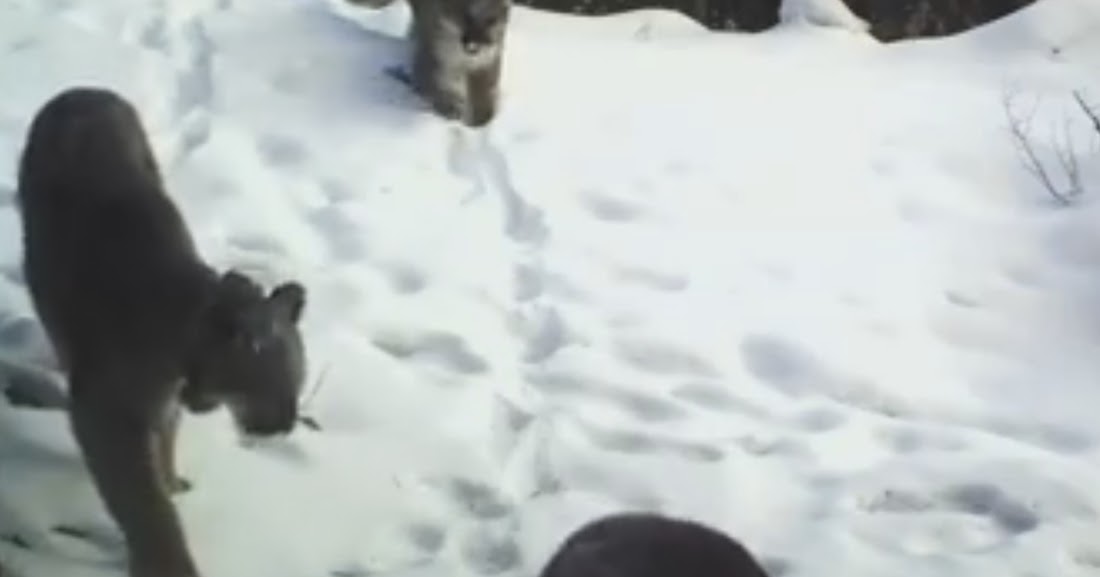
In one memorable instance, a remote camera during the 2017 annual winter study captured footage of two cougars gracefully passing by, only for a "little surprise" cub to jump playfully into the frame, providing a rare and heartwarming glimpse into their family dynamics. Such moments, impossible to predict or capture through traditional means, underscore the invaluable insights offered by these discreet cameras. They reveal not just facts, but personalities, struggles, and triumphs within the Yellowstone wilderness.
The Future of Cougar Conservation: A Glimpse into the Documentary
The culmination of years of diligent fieldwork and thousands of hours of captivating footage from Yellowstone Cougar Trail Cameras is being compiled into an exciting new documentary film. This film promises to provide the public with an unprecedented, intimate look into the secret lives of Yellowstone's mountain lions, transforming abstract data into compelling narratives.
This upcoming documentary is more than just entertainment; it's a powerful tool for conservation education. By showcasing the struggles and successes of cougars like 'Nubs' and her family, the film aims to foster a greater appreciation for these often-misunderstood predators. It will illustrate their critical role in maintaining a healthy ecosystem, emphasizing how they shape the park's food web and interact with other wildlife. Understanding their behaviors, from hunting tactics to raising young, helps the public recognize their importance and the need for robust conservation efforts.
For those eager to witness these revelations firsthand, the new documentary on Yellowstone's mountain lions is scheduled to be screened at several locations in Montana in April 2026, including Livingston, Gardiner, and Bozeman. For a wider audience, the film will also be available to view online at montanapbs.org, ensuring that these incredible stories reach a global viewership. This accessibility is key to broadening public awareness and support for cougar conservation.
The insights gained from this research are crucial for informing future conservation strategies. By understanding population dynamics, habitat usage, and interactions with other species, park managers and conservationists can make more informed decisions regarding land use, wildlife corridors, and human-wildlife coexistence. The film serves as a testament to the dedication of researchers and the power of technology in uncovering the mysteries of the natural world.
Beyond the Lens: What Trail Cameras Teach Us About Ecosystems
The remarkable success of Yellowstone Cougar Trail Cameras extends far beyond simply documenting mountain lion behavior. The data collected provides invaluable lessons about the interconnectedness of entire ecosystems and offers practical insights for wildlife enthusiasts and conservationists alike.
Practical Takeaways and Tips for Wildlife Appreciation:
- The Value of Patience and Non-Invasive Observation: The cougar project highlights that the most profound insights often come from patient, non-disruptive observation. For general visitors to Yellowstone or other wilderness areas, remember that seeing elusive animals is a privilege, not a guarantee. Enjoy the vastness of the landscape and the signs of wildlife, even if the animals themselves remain hidden.
- Understanding Trophic Cascades: The film's exploration of how cougars interact with wolves and their prey offers a tangible example of a trophic cascade. When top predators are present, they influence the behavior and numbers of their prey, which in turn impacts vegetation and other species. This demonstrates the critical importance of maintaining a full complement of species in an ecosystem.
- Citizen Science Potential: While this specific research is highly technical, the broader use of trail cameras opens doors for citizen science projects in other regions. Many local parks and conservation groups utilize public volunteers to monitor cameras, helping collect vital data on local wildlife populations. Consider looking for such opportunities in your area.
- Respect for Wildlife Space: Even though cougars are rarely seen, understanding their widespread presence reminds us to always give wildlife ample space. Never approach or feed wild animals. Your respectful distance ensures their safety and your own.
- Support for Conservation Research: The ability to conduct such cutting-edge research relies on funding and public support. Learning about projects like the Yellowstone Cougar study inspires greater appreciation and encourages support for conservation organizations and national parks.
The revelations brought forth by these hidden eyes in the wilderness have fundamentally changed how we perceive Yellowstone's cougars. They are no longer just whispered legends but complex, vital components of a thriving ecosystem. The information gleaned helps scientists understand population health, habitat needs, and the subtle impacts of environmental changes, which is critical for making informed decisions about how to protect these magnificent animals for generations to come.
Conclusion
The journey into the hidden lives of Yellowstone's mountain lions, largely made possible by the strategic deployment of Yellowstone Cougar Trail Cameras, represents a monumental leap in wildlife research. From deciphering their intricate social structures to understanding their pivotal role within the food web, these silent observers have revolutionized our understanding of an animal long shrouded in mystery. The forthcoming documentary, Yellowstone's Hidden Cougars: New Film Reveals Secret Lives, promises to share these profound insights with the world, fostering a deeper appreciation for these majestic predators and reinforcing the urgent need for their continued conservation. As technology continues to evolve, the future holds even greater promise for uncovering the secrets of the natural world, ensuring that the ghosts of the Rockies can continue to roam free, vital and protected.